>>
30-MINUTE MEALS! Get the email series now →


A melt-in-your-mouth triple-layer vanilla custard cake with a creamy center, airy top layer, and tender base — simple ingredients, stunning results.
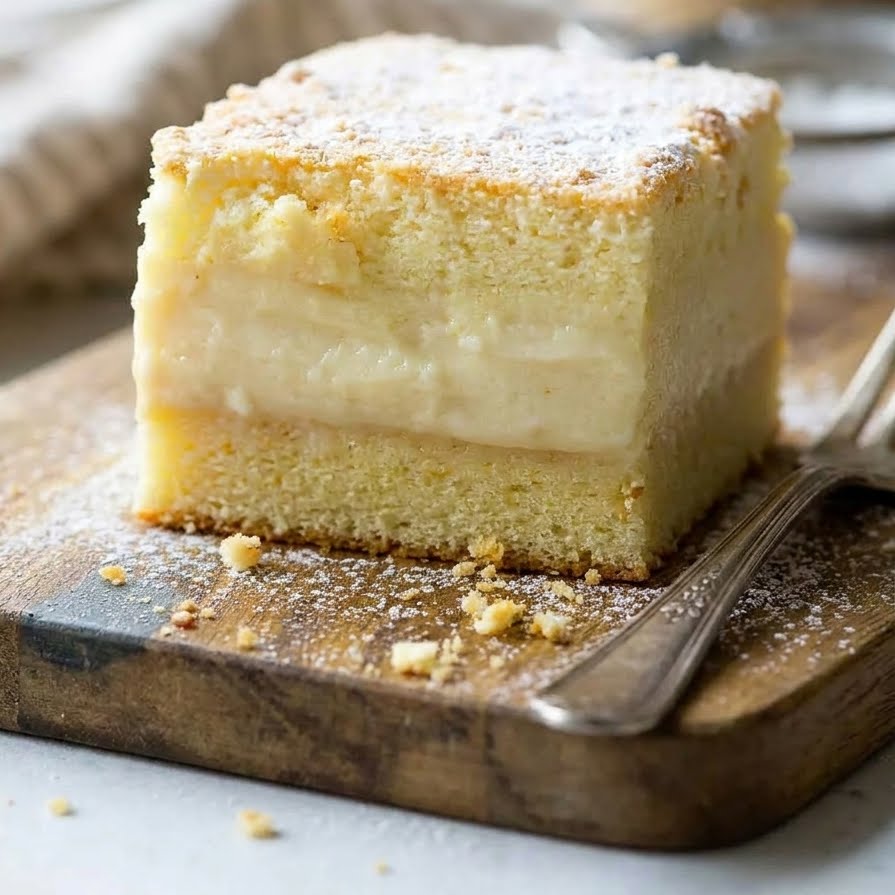
This cake has consistently drawn compliments at family gatherings. One Thanksgiving my sister declared it her favorite dessert of the day, and the custard center won over my notoriously picky nephew. I love that this is both humble and elegant at the same time.
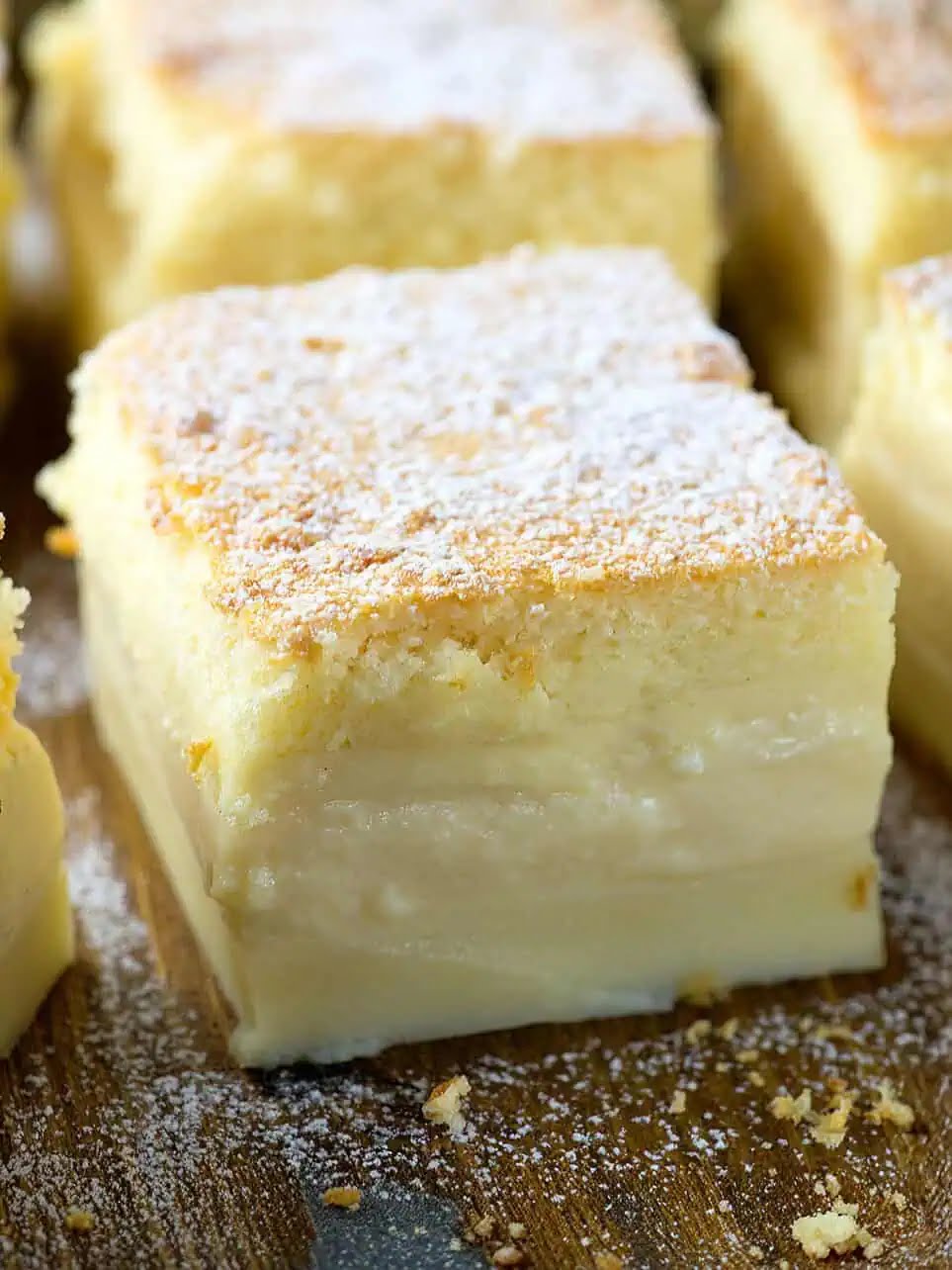
My favorite thing about this cake is how it bridges the gap between simple and refined. When guests ask what is in it, they are surprised at how basic the ingredients list is. Over time I learned small technique changes — like ensuring the butter is only slightly warm and folding the whites gently — that make a measurable difference in texture.
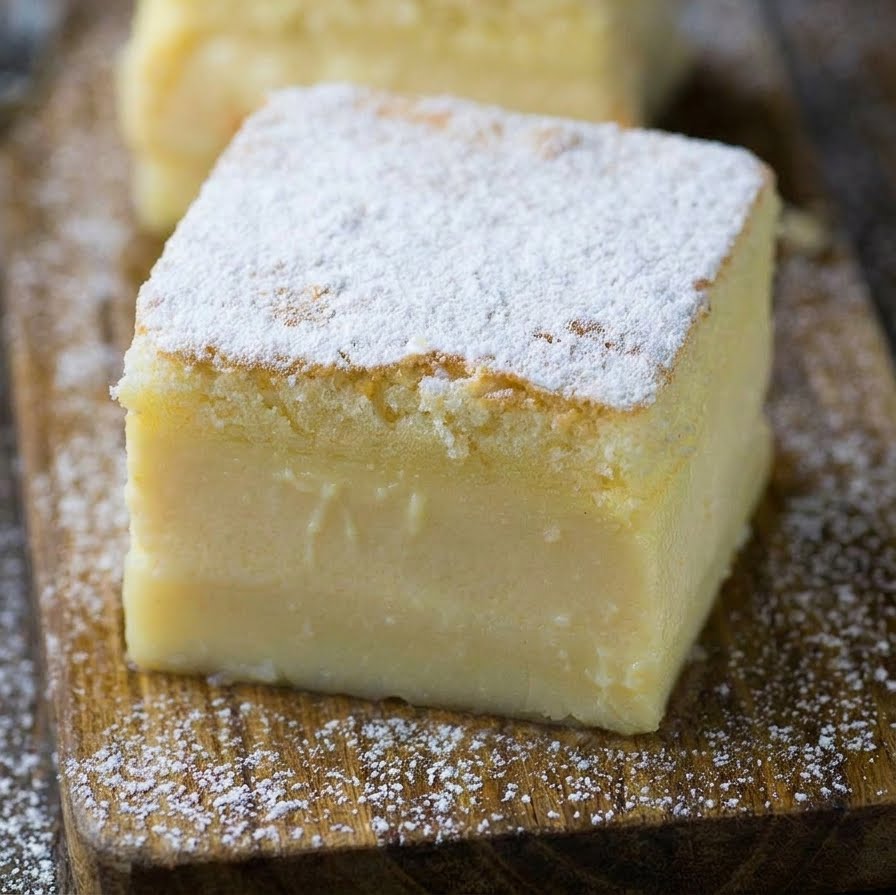
Once fully cooled, cover the pan tightly with plastic wrap or transfer slices to an airtight container. In the refrigerator it will keep for up to four days without significant texture loss. For longer storage, freeze individual slices wrapped in plastic and foil for up to three months. Thaw overnight in the refrigerator and dust with a fresh sprinkling of powdered sugar before serving. Avoid reheating in a microwave for long periods; a quick 20 to 30 second burst will take the chill off without curdling the custard.
If you must swap ingredients, use 2 percent milk if whole milk is not available; the custard will be slightly lighter. For a dairy-free version, substitute a full-fat plant milk such as canned coconut milk, but note the flavor will change and the texture may be less set. For a lower-sugar option, reduce powdered sugar by 20 percent and adjust to taste; the structure will hold but the cake will be less sweet. Use gluten-free all-purpose flour in a 1:1 ratio if necessary; the bottom layer may be a touch denser.
Serve slightly chilled or at room temperature with a dollop of lightly whipped cream or a spoonful of berry compote to add bright acidity. A simple dusting of powdered sugar is classic, but toasted sliced almonds or a few fresh raspberries make a lovely presentation. Pair with a cup of coffee or a light dessert wine for more formal occasions. For brunch, serve with seasonal fruit and toasted nuts to complement the custard texture.
This style of magic custard cake draws on European custard and flan traditions, adapted into a single-bake approach that became popular on home cooking blogs in the early 2000s. The technique of whipping whites separately and folding them into a thin batter to create distinct layers is a clever domestic innovation that produces a layered result without multiple components. It sits comfortably within American home baking as a favorite for potlucks and family tables.
In spring and summer, top slices with fresh berries or a warm stone-fruit compote. In fall swap in 1/2 teaspoon ground cinnamon and a pinch of nutmeg to the batter and serve with caramelized pears. For winter holidays, garnish with a citrus glaze or orange zest in the batter for a bright counterpoint to the custard richness.
Make the cake a day ahead and refrigerate to allow the custard to fully set and flavors to meld. For meal prep portions, slice into ten pieces and wrap each slice individually to streamline breakfasts or dessert service through the week. Use shallow airtight containers to avoid compressing the top layer and reheat briefly if you prefer it slightly warm.
This Vanilla Magic Custard Cake is one of those recipes that rewards patience and simple technique. It has become a staple for me because it reliably delivers a special texture and comforting vanilla flavor without complicated preparation. I hope it becomes one of your go-to desserts for both everyday enjoyment and small celebrations.
Ensure the melted butter is only slightly warm before adding to yolks to prevent cooking them.
Beat the egg whites in a clean, grease-free bowl to achieve stiff peaks and a light top layer.
Start checking the cake at 40 minutes; the center should be barely jiggly when done.
Cool completely before slicing to allow the custard center to set and give clean slices.
This nourishing vanilla magic custard cake recipe is sure to be a staple in your kitchen. Enjoy every moist, high protein slice — it is perfect for breakfast or as a wholesome snack any time.
This Vanilla Magic Custard Cake recipe makes perfectly juicy, tender, and flavorful steak every time! Serve with potatoes and a side salad for an unforgettable dinner in under 30 minutes.
Preheat oven to 325 degrees F. Lightly grease an 8x8 inch pan and line with parchment for easy removal. Place oven rack in the center.
Beat egg whites in a clean, dry bowl until stiff, glossy peaks form. Set aside and ensure no yolk contaminates the whites.
Beat egg yolks with powdered sugar until pale yellow and slightly thickened, about 2 to 3 minutes.
Mix in slightly cooled melted butter and 1 tablespoon water, beating about 2 minutes until evenly combined.
Add flour and mix until just combined. Avoid overmixing to keep the base tender.
Slowly beat in lukewarm milk and vanilla until smooth. The batter will be thin, which is expected.
Gently fold egg whites into batter in thirds to preserve air and create the airy top layer.
Pour into prepared pan and bake 40 to 60 minutes at 325 degrees F; center should be barely jiggly. Cool completely before dusting and serving.
Last Step: Please leave a rating and comment letting us know how you liked this recipe! This helps our business to thrive and continue providing free, high-quality recipes for you.
Leave a comment & rating below or tag
@royalrecipe on social media!

Easy homemade thin-crust three-cheese spicy chicken and jalapeño pie — a flavor-packed pizza with a satisfying kick, perfect for pizza night or game day.
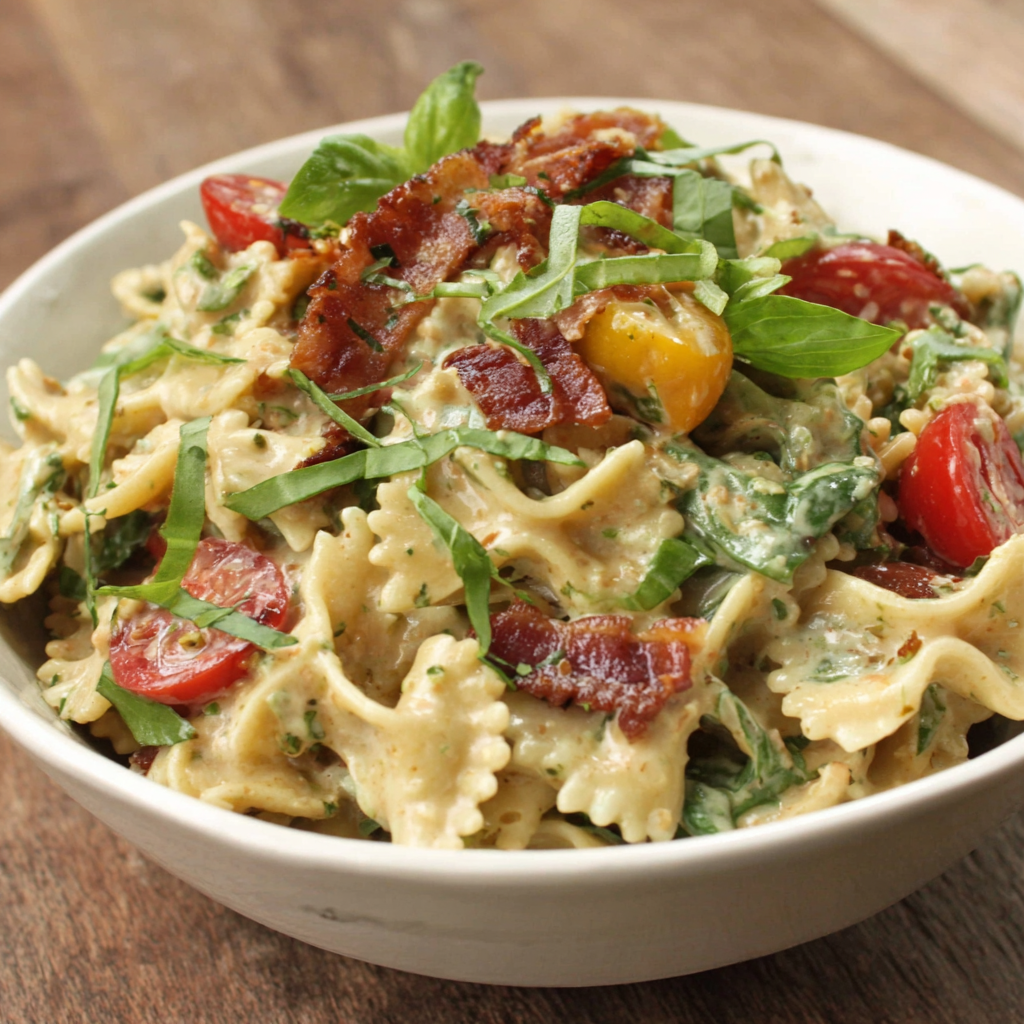
A bright, creamy BLT pasta salad tossed with basil pesto, fresh greens, cherry tomatoes, and crisp bacon—perfect for warm-weather gatherings and meal prep.
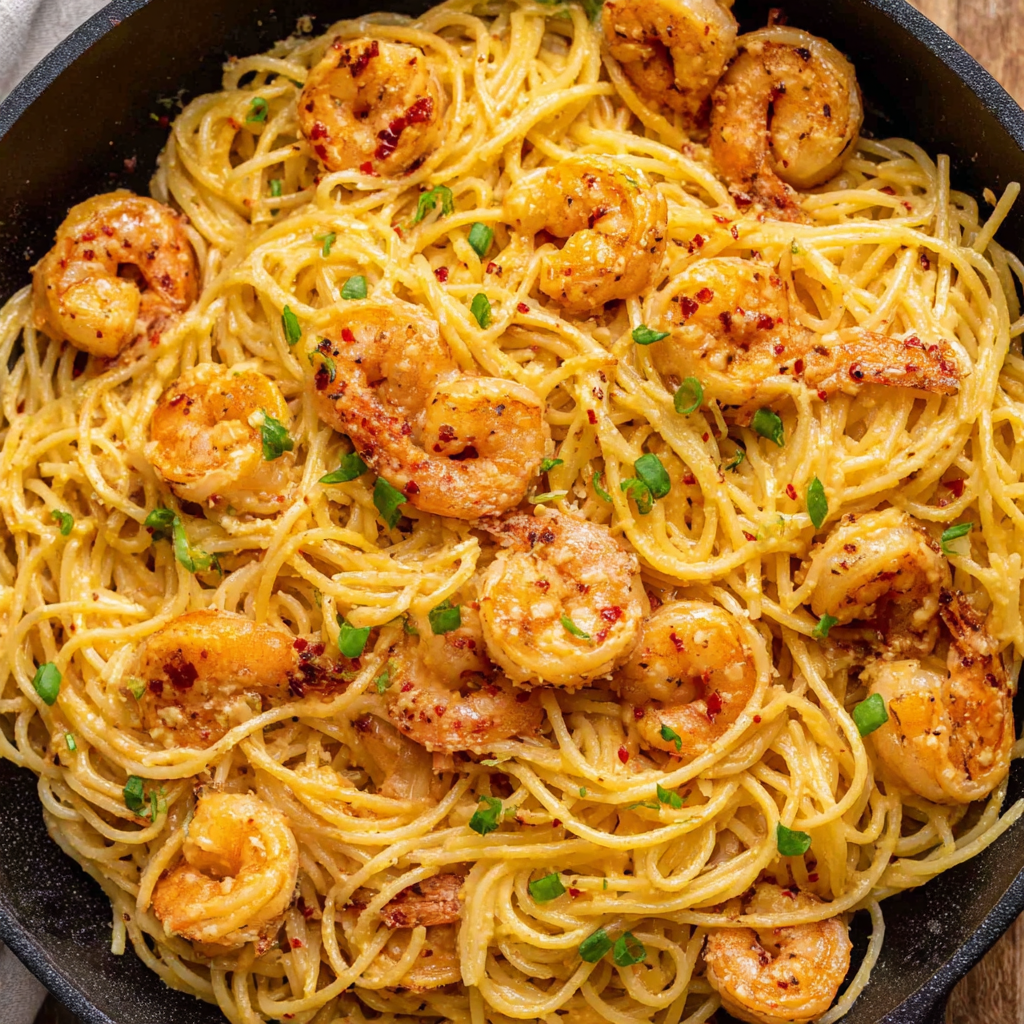
Tender sautéed shrimp tossed with spaghetti and a creamy sweet-spicy bang bang sauce—ready in under 30 minutes for a weeknight favorite.
Leave a comment & rating below or tag @royalrecipe on social media!
Enjoyed this recipe? Share it with friends and family, and don't forget to leave a review!
This recipe looks amazing! Can't wait to try it.
Comments are stored locally in your browser. Server comments are displayed alongside your local comments.
Join to receive our email series which contains a round-up of some of our quick and easy family favorite recipes.