>>
30-MINUTE MEALS! Get the email series now →


A light Japanese-style pound cake with vibrant matcha swirls—tender crumb, elegant flavor, and even better the next day. Perfect with afternoon tea.
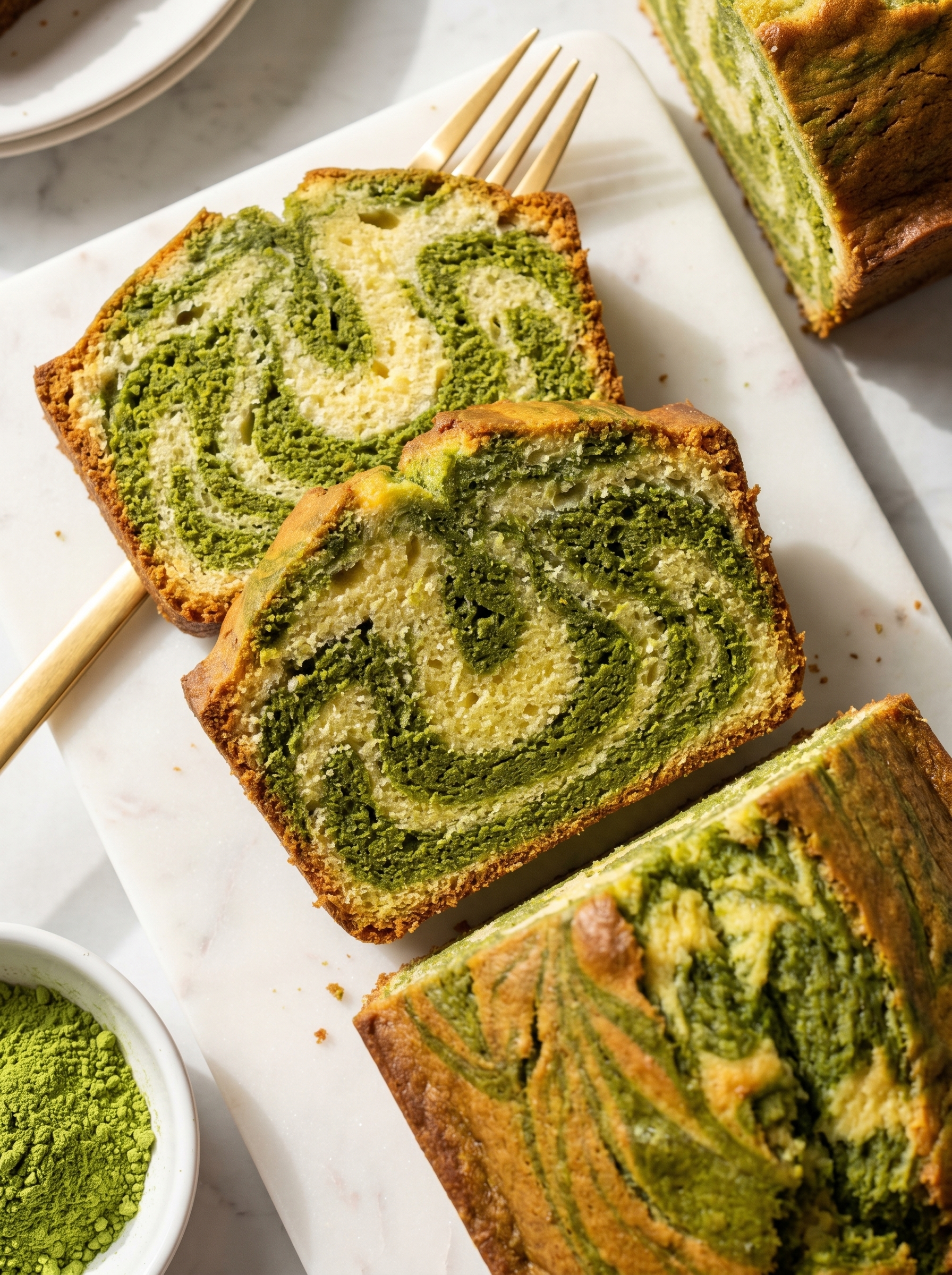
This Matcha Marble Pound Cake has been a quiet superstar in my kitchen since I first adapted the method from a beloved Japanese home-baker. I discovered this approach during a weekend of testing butter-to-flour ratios and gently folded techniques, and the resulting loaf surprised me: it was delicate, with a tight yet tender crumb and a clear, aromatic matcha presence. The interplay of the pale butter cake and the bright green swirls feels classic and refined, the kind of treat you slice thinly for an afternoon coffee or pack in a lunchbox for a tasteful pick-me-up.
I usually bake it when I want to bring something understated but memorable to a small gathering. It keeps beautifully and, importantly, improves after a day or two as the butter settles and the flavors meld. The texture is lighter than a traditional American pound cake yet sturdier than a chiffon—Japanese in balance—so it slices neatly for generous tea-time servings. The smell of toasted matcha and browned butter edges has become a signal that the kitchen is ready for company.
On my first bake, my family paused mid-sentence when the loaf came out of the oven—there was a hush before everyone asked for a sliver. Over time I learned to slow the mixing at key points and to score the top at 15 minutes into baking so the loaf rises predictably. Those small adjustments turned a good loaf into a reliably beautiful one.
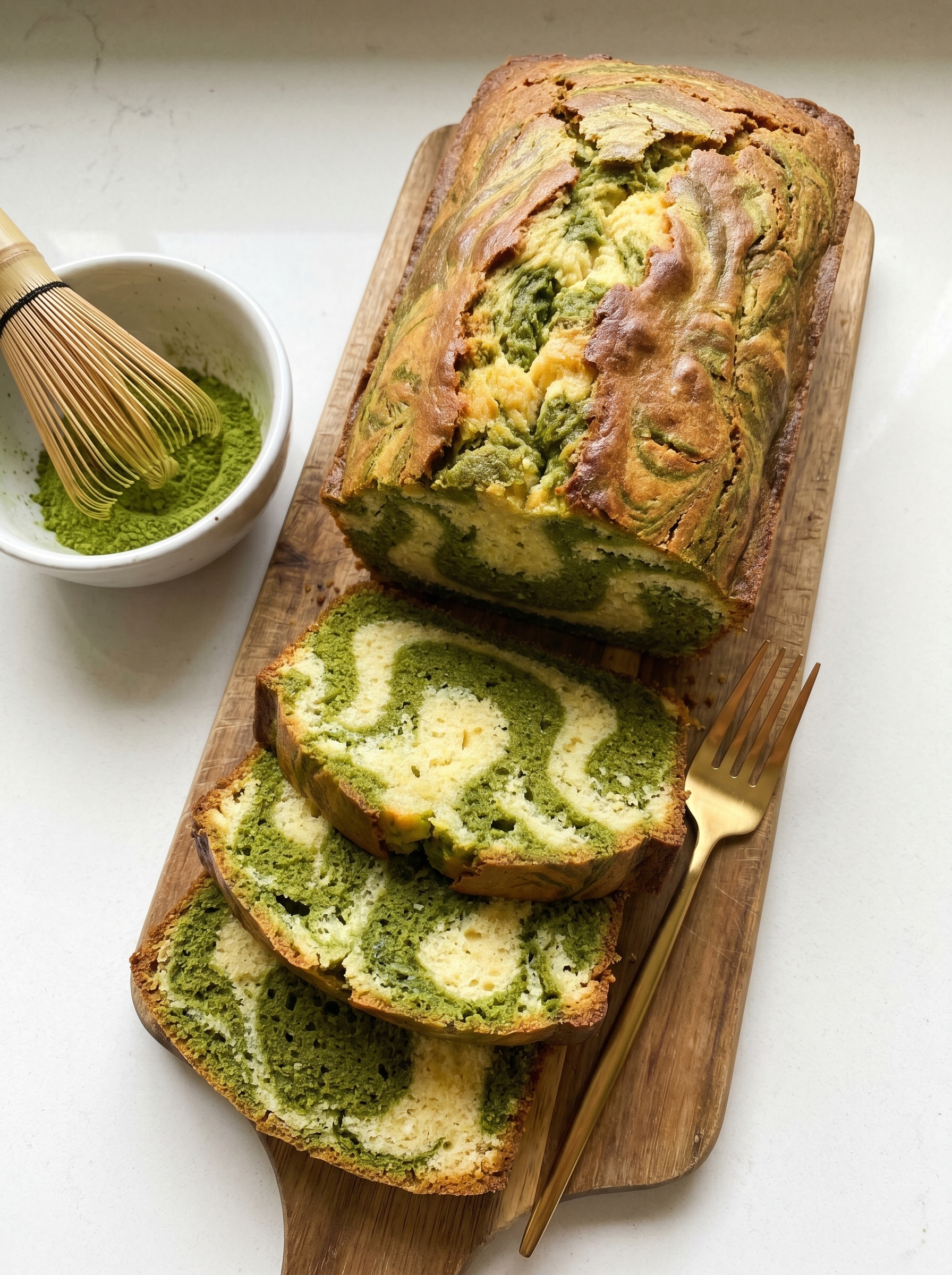
My favorite part of this loaf is how the matcha aroma develops after a day; the green tea notes become more pronounced and less sharp. Guests often comment that it tastes more complex on day two, which makes baking ahead a genuine advantage for hosting. I enjoy the ritual of slicing thin pieces and letting everyone choose their favorite swirl.
Wrap the cooled loaf tightly in plastic wrap and place in an airtight container at room temperature; it will remain moist for 3–4 days. In warm, humid kitchens refrigerate the wrapped loaf for up to one week—bring to room temperature before serving to restore softness. For longer storage, double-wrap in plastic and foil and freeze for up to one month; thaw overnight in the refrigerator and then return to room temperature before slicing. Use a serrated knife for clean slices and store sliced portions between sheets of parchment to prevent sticking.
If you need a dairy-free version, substitute a neutral non-dairy stick butter and use soy or oat milk warmed for the matcha—expect a slightly different mouthfeel. For a lower-sugar loaf, reduce sugar by up to 15% and compensate by brushing the cooled loaf lightly with a thin syrup if you want shine. If cake flour is unavailable, use 1 3/4 cups all-purpose flour minus 3 tablespoons, sifted, and fold very gently; the texture will be slightly firmer. Egg replacers will change structure significantly, so avoid them if you need the classic crumb.
Serve thin slices on a simple plate with a dusting of sifted matcha or a light sprinkle of confectioners' sugar. This loaf pairs exquisitely with a bright, non-ashed coffee or a delicate sencha or hojicha to complement the tea notes. For a dessert plate, add a dollop of lightly sweetened whipped cream or a spoonful of azuki bean paste for a Japanese-inspired presentation. Try toasted almond slivers or a smear of yuzu curd for contrast at special occasions.
The Japanese-style loaf emphasizes balance and refinement—lighter on butter than American versions and with a tight, sliceable crumb. Matcha, powdered green tea with a storied ceremonial history, lends a grassy, umami-rich flavor and vibrant green hue. Marble techniques are common in many traditions, but combining matcha with a delicate pound formula reflects a fusion of Western cake-making methods and Japanese ingredient sensibilities, producing an elegant and approachable teatime cake.
In spring, accent the loaf with a thin lemon glaze to add brightness; in autumn, fold a teaspoon of warm spice into the plain batter and pair the matcha with toasted chestnut cream. For holidays, stud the top with candied citrus peel or a scattering of sesame brittle. Summer service benefits from chilled thin slices accompanied by cold-brewed tea or a scoop of yuzu sorbet for contrast.
Make the loaf 1–3 days before serving for best flavor. Slice only as needed and keep the remainder wrapped to retain moisture. For grab-and-go portions, wrap individual slices in parchment and store in an airtight container; they travel well and maintain texture. If freezing, slice first for quick defrosting—place slices between parchment to separate and thaw at room temperature for 20–30 minutes before serving.
There is a quiet pleasure in baking this loaf: the measured steps, the delicate swirl, and the way a simple slice can uplift a midday break. I encourage you to make it your own and to enjoy how the flavors open up after a day in the pantry.
Bring butter, eggs, and milk to room temperature before starting to ensure smooth emulsification.
Add eggs slowly—about 1 tablespoon at a time—to prevent curdling and to aid emulsification.
Fold dry ingredients gently and stop as soon as the mixture is homogeneous to avoid gluten development.
Warm the milk before whisking into matcha to create a smooth paste and prevent lumps.
This nourishing matcha marble pound cake recipe is sure to be a staple in your kitchen. Enjoy every moist, high protein slice — it is perfect for breakfast or as a wholesome snack any time.
This Matcha Marble Pound Cake recipe makes perfectly juicy, tender, and flavorful steak every time! Serve with potatoes and a side salad for an unforgettable dinner in under 30 minutes.
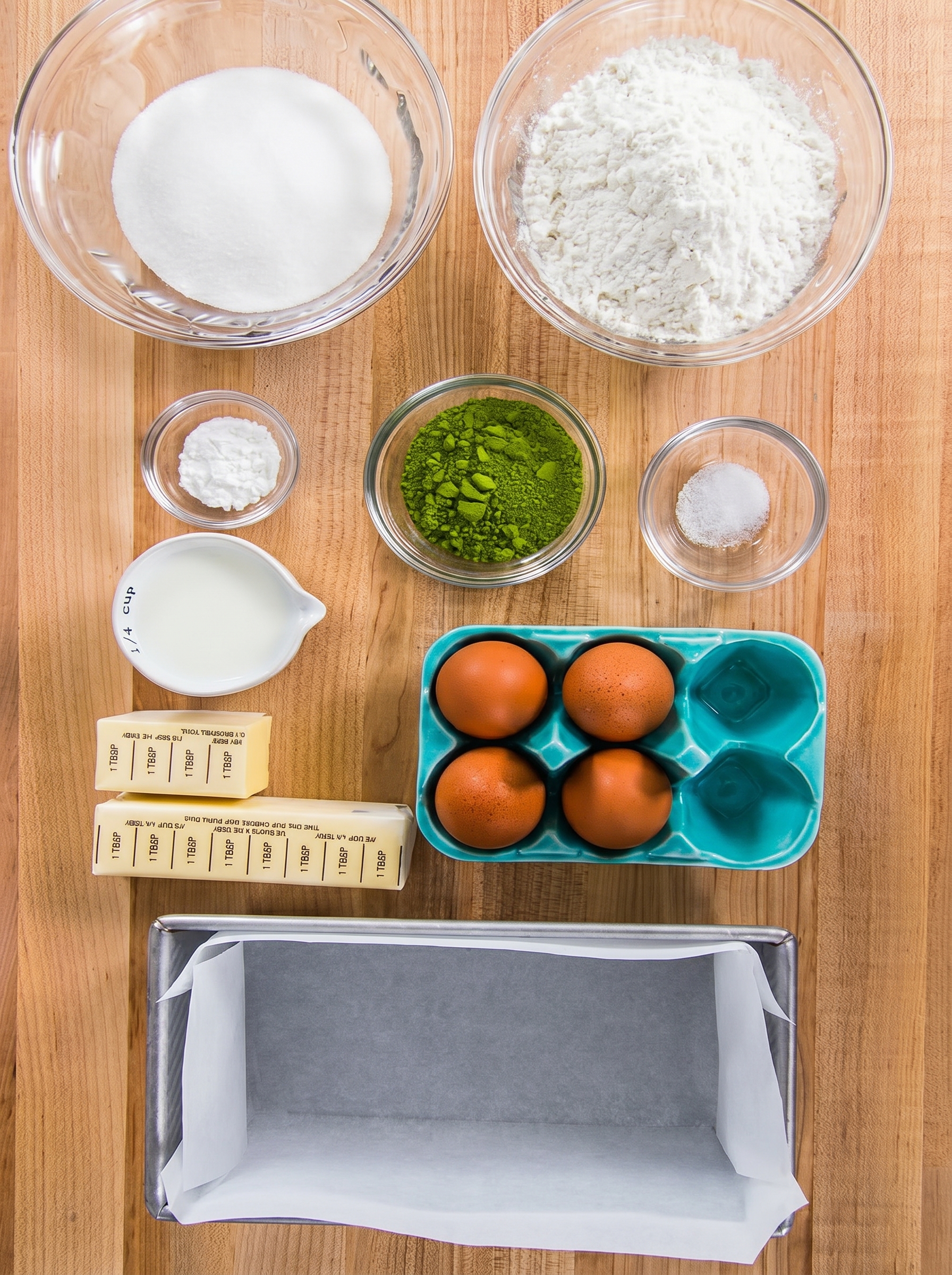
Center the oven rack and preheat to 350°F. Grease an 8 1/2 × 4 1/2 × 2 3/4-inch loaf pan with butter, line with parchment, and set aside. When placing the pan in the oven, reduce the temperature to 340°F.
Beat room-temperature butter on medium until pale and fluffy, about 1–2 minutes. Add sugar and continue creaming for about 5 minutes until the mixture is light in color and the sugar has started to dissolve.
Whisk eggs in a small bowl. Add to the butter mixture one tablespoon at a time, beating thoroughly after each addition to form a stable emulsion; this prevents curdling and ensures a smooth batter.
Sift together cake flour, baking powder, and salt. Add the dry mix in three additions, folding gently with a spatula or on the lowest mixer speed until just combined to avoid gluten development.
Warm the milk to about body temperature and whisk into sifted matcha powder to make a smooth paste. This helps the powder dissolve completely and preserves the color and aroma.
Transfer one-third of the plain batter into the matcha paste and fold until homogeneous. Do not overmix, as you want to preserve volume and a bright green color.
Place dollops of matcha batter into the plain batter in 6–8 spots. Using a spatula, fold the bottom of the batter over a couple of times while rotating the bowl to create irregular marbling without fully blending.
Pour batter into the prepared pan, tap to release air, and bake at 340°F for 50–60 minutes or until a skewer comes out with moist crumbs. Rest in the pan 15 minutes, then unmold and cool on a rack.
Last Step: Please leave a rating and comment letting us know how you liked this recipe! This helps our business to thrive and continue providing free, high-quality recipes for you.
Leave a comment & rating below or tag
@royalrecipe on social media!

Easy homemade thin-crust three-cheese spicy chicken and jalapeño pie — a flavor-packed pizza with a satisfying kick, perfect for pizza night or game day.
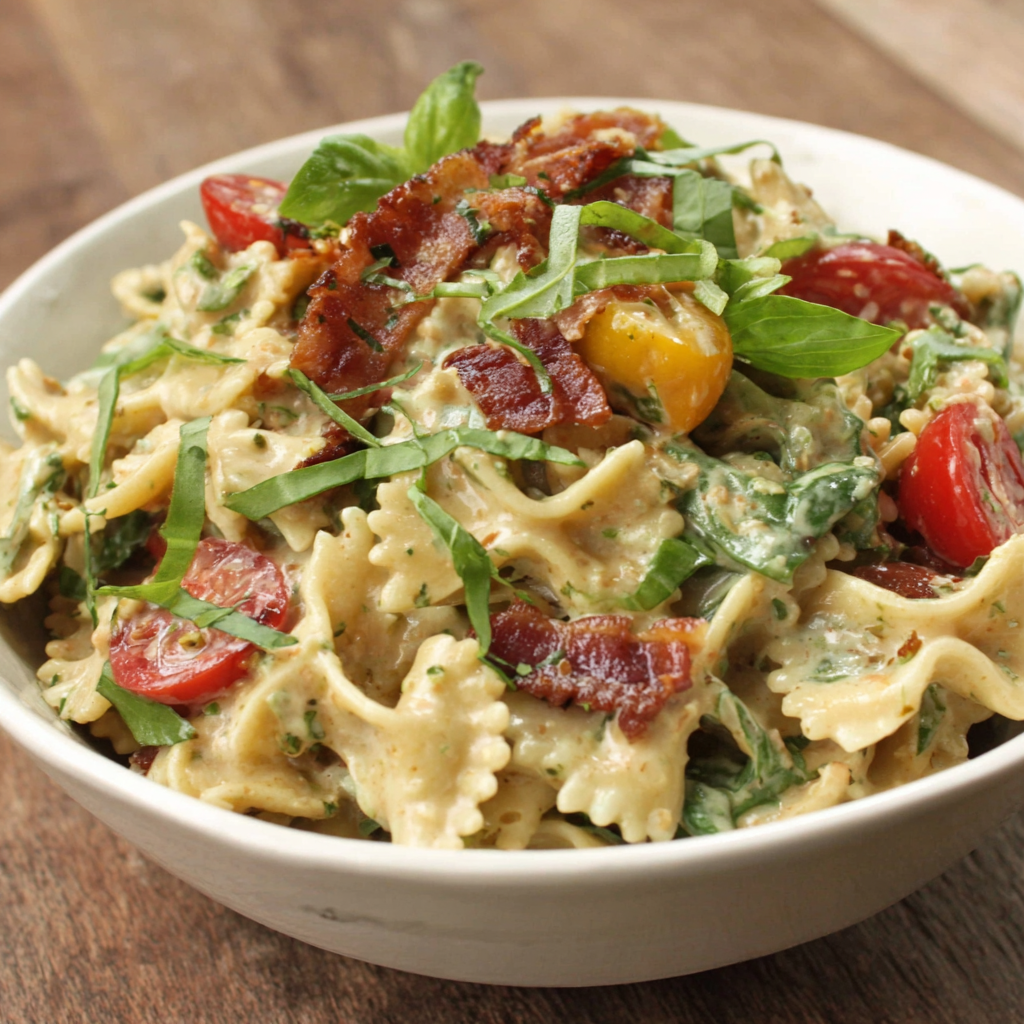
A bright, creamy BLT pasta salad tossed with basil pesto, fresh greens, cherry tomatoes, and crisp bacon—perfect for warm-weather gatherings and meal prep.

Tender sautéed shrimp tossed with spaghetti and a creamy sweet-spicy bang bang sauce—ready in under 30 minutes for a weeknight favorite.
Leave a comment & rating below or tag @royalrecipe on social media!
Enjoyed this recipe? Share it with friends and family, and don't forget to leave a review!
This recipe looks amazing! Can't wait to try it.
Comments are stored locally in your browser. Server comments are displayed alongside your local comments.
Join to receive our email series which contains a round-up of some of our quick and easy family favorite recipes.