
Extra Crispy Buffalo Chicken Tenders

Buttermilk-soaked chicken tenders dredged twice for extra crispiness, fried golden, and tossed in a homemade Frank's-style buffalo sauce for an addictive game-day favorite.
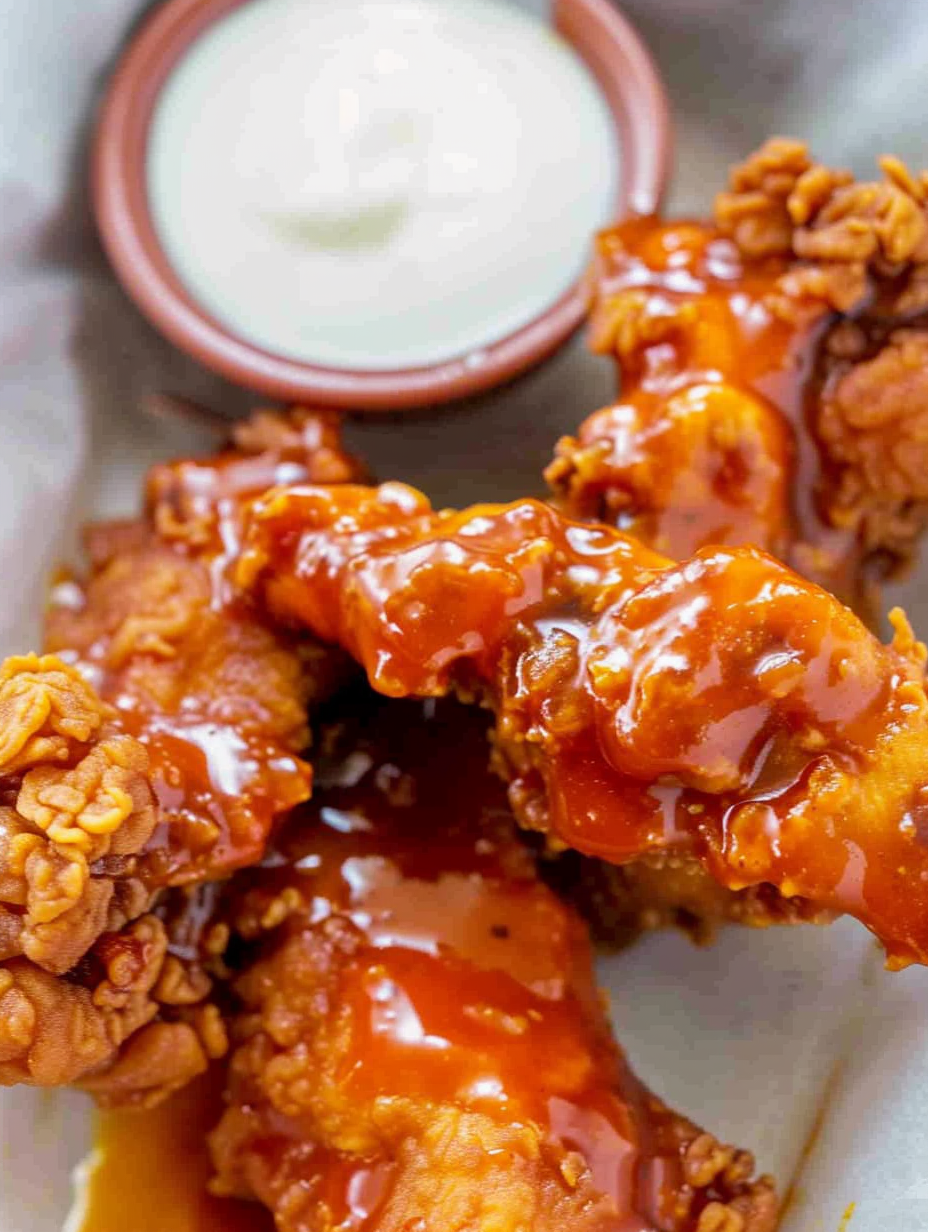
This recipe for Extra Crispy Buffalo Chicken Tenders has been my go-to for game nights, rainy Sundays, and any time the family requests something crunchy, spicy, and utterly comforting. I first developed this method when I wanted tenders with a real restaurant-style crust at home — the kind that stays crisp under sauce. The key was a short buttermilk soak combined with a double-dredge: flour, egg, then flour again. The result is a tender interior with a satisfying crackle on the outside. I discovered the combination one evening while testing different binders and found that the second flour pass locks in moisture while creating more surface area for the sauce to cling to. Since then, these tenders have become the highlight of tailgates and weeknight dinners alike.
What makes these stand out is the sauce-to-crust relationship. Using a classic vinegar-forward hot sauce like Frank's RedHot and finishing the sauce with melted unsalted butter gives glossy heat without masking the chicken. I prefer boneless, skinless breasts cut into four tenders each for consistent sizing and even frying. The buttermilk soak adds tenderness and a touch of tang, while a light cut of baking powder in the flour mix helps the crust bloom and crisp when it hits 350°F oil. Serve them with crisp celery, carrot sticks, and a cooling blue cheese dressing for the complete experience.
Why You'll Love This Recipe
- Extra-crispy exterior thanks to a double-dredge technique and a pinch of baking powder in the flour mixture; produces a crust that stays crunchy after saucing.
- Ready in under an hour: 40 minutes active prep, 13 minutes frying — perfect for weekday indulgence or a quick weekend party starter.
- Uses pantry staples like all-purpose flour, eggs, and your favorite hot sauce; the buffalo sauce is simple, made with one stick of butter and Frank's RedHot for authentic flavor.
- Make-ahead options: tenders can be breaded and refrigerated for up to 24 hours, or frozen after frying for future meals.
- Crowd-pleasing and versatile: great as a main with fries or wedges, or sliced for wraps, salads, and sliders.
- Clear texture contrast: crisp coating plus juicy white meat inside, with a bright, vinegary heat in the sauce that cleans the palate between bites.
Personally, the first time I made these for a neighborhood potluck, every plate came back clean. A neighbor asked for the recipe twice and another couple asked where I bought them. That kind of reaction keeps me coming back to this method whenever I want a guaranteed crowd-pleaser.
Ingredients
- Chicken: 4 boneless, skinless chicken breasts — choose plump, evenly sized breasts for uniform tenders. Trim any excess fat and cut each breast into four strips so they cook evenly; thicker pieces take longer and encourage uneven breading.
- Buttermilk soak: 1 cup buttermilk and 1 teaspoon hot sauce — the acid in the buttermilk breaks down proteins slightly for a tender bite and helps the coating adhere. Use cultured buttermilk for the best flavor; if unavailable, thin plain yogurt with a little milk.
- Binders: 2 large eggs, beaten — eggs form the glue between flour layers. Room temperature eggs whisk more evenly and produce a smoother coating.
- Breading mix: 2 cups all-purpose flour, 2 1/2 teaspoons salt, 3/4 teaspoon black pepper, 1/8 teaspoon paprika, 1/8 teaspoon garlic powder, and 1/8 teaspoon baking powder — the baking powder creates tiny gas pockets that crisp when fried.
- Oil for frying: Canola oil (or another neutral high-smoke oil) — you need about 3 inches depth in your pot so pieces float and crisp evenly. Use a heavy-bottomed Dutch oven for stable temperature control.
- Buffalo wing sauce: 2/3 cup Frank's RedHot, 1 stick (8 tablespoons) unsalted butter, 1 tablespoon white vinegar, and 1/4 teaspoon Worcestershire sauce — melt the butter gently and whisk until glossy for a well-emulsified finish.
Instructions
Prepare the chicken: Slice 4 boneless breasts into 16 even tenders. Place the tenders in a shallow bowl and pour 1 cup buttermilk plus 1 teaspoon hot sauce over them. Cover and chill for 30 minutes to tenderize and add flavor. The buttermilk creates a slightly tacky surface that helps the flour adhere. If you prefer stronger heat, increase the hot sauce by 1/2 teaspoon. Set up the dredging station: In one bowl whisk 2 large eggs. In a second, combine 2 cups flour, 2 1/2 teaspoons salt, 3/4 teaspoon pepper, 1/8 teaspoon paprika, 1/8 teaspoon garlic powder, and 1/8 teaspoon baking powder. The baking powder is subtle but essential for an elevated crunch. Double-dredge the tenders: Remove a tender from the buttermilk, let excess drip off, then press it into the seasoned flour. Next dip it into the beaten eggs, allowing excess to drip, then press back into the flour, ensuring full coverage. Shake off excess gently and place the breaded tender on a rimmed baking sheet. Repeat until all pieces are breaded. The double pass creates more surface area and a thicker crust that holds sauce better. Heat the oil: Fill a Dutch oven with about 3 inches of canola oil. Heat over medium-high until a thermometer reads 350°F. Maintain 350°F while frying — a drop in temperature will cause greasy, heavy crusts; a higher temp will brown too quickly before the interior cooks. A candy or deep-fry thermometer is invaluable here. Fry until golden: Fry in small batches so you don't crowd the pot — usually 3–4 tenders per batch depending on pot size. Fry 5–7 minutes, turning once, until golden and an instant-read thermometer in the thickest part reads 165°F. Transfer to a wire rack over a sheet pan to drain while you finish remaining batches. Make the sauce and finish: In a small saucepan combine 2/3 cup Frank's RedHot, 1 stick unsalted butter, 1 tablespoon white vinegar, and 1/4 teaspoon Worcestershire. Warm gently over low heat, whisking until butter is melted and the sauce is smooth; bring to a simmer briefly but don’t boil aggressively. Toss the hot tenders in the sauce just before serving so the crust stays crisp beneath a glossy coating.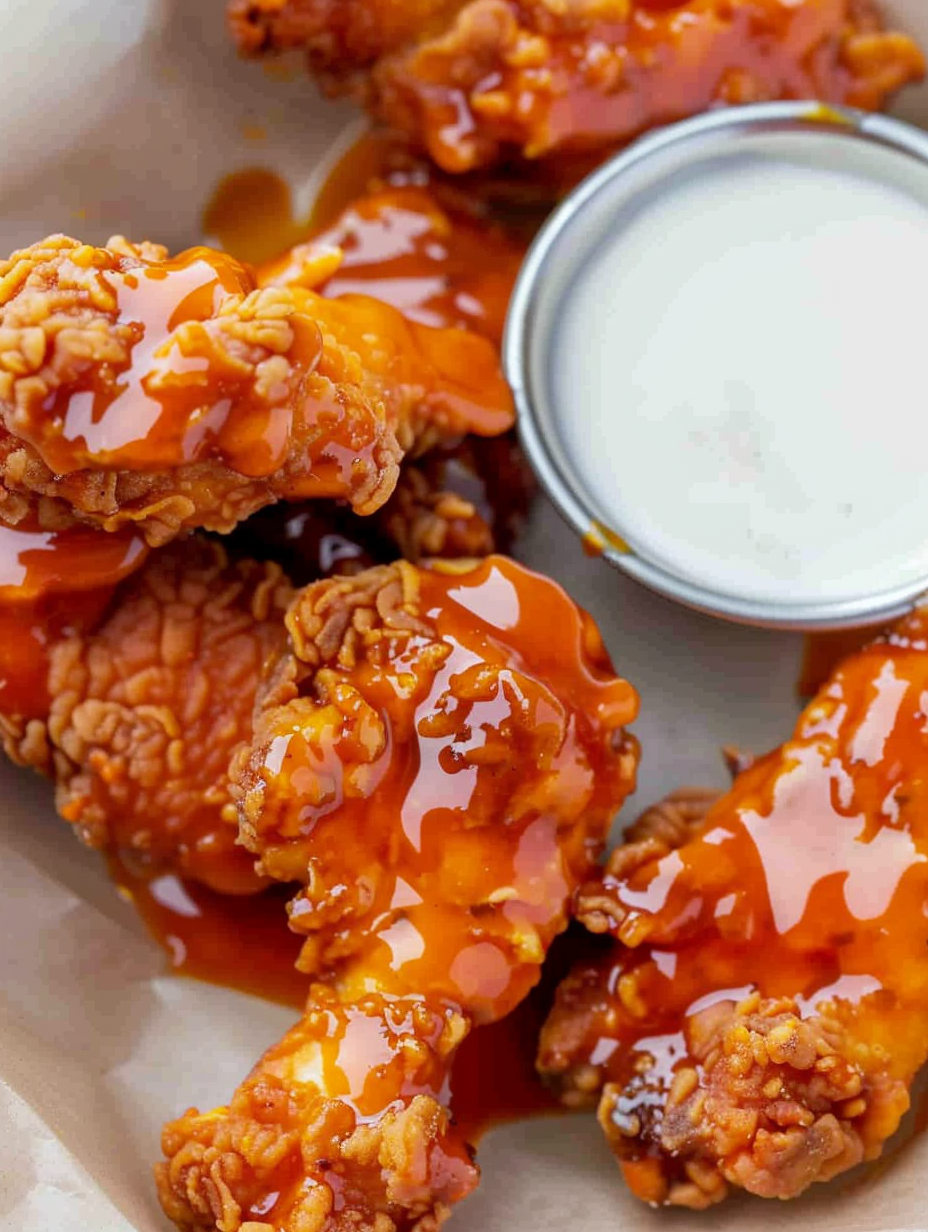
You Must Know
- These tenders freeze well for up to 3 months after frying; reheat in a 400°F oven on a rack to restore crispness.
- High in protein and satisfying — each serving averages around 279 calories with roughly 30 g protein based on portioning.
- Store leftovers in an airtight container in the refrigerator for up to 3 days; avoid saucing before storage to keep crust crisp.
- Use a neutral oil with a high smoke point and monitor oil temperature closely for the best texture.
My favorite part is watching the double-dredge pay off: the first bite gives a bright snap, followed by juicy, tender chicken and sauce that ties everything together. Once at a family picnic, I made these and a picky niece declared them "the best chicken ever," which has stuck with me as proof that technique beats fancy ingredients every time.
Storage Tips
To keep the coating crisp, let fried tenders cool completely on a wire rack before storing. For refrigeration, place in a single layer in an airtight container for up to 3 days. For longer storage, flash-freeze on a baking sheet until solid, then transfer to a freezer bag for up to 3 months. Reheat frozen or refrigerated tenders in a 400°F oven on a rack set over a sheet pan for 8–12 minutes (from refrigerated) or 15–18 minutes (from frozen) until internal temperature reaches 165°F. Don’t microwave if you want to preserve crispness.
Ingredient Substitutions
If buttermilk isn’t on hand, make a quick substitute with 1 cup milk plus 1 tablespoon lemon juice or white vinegar; let sit 5 minutes before using. To make these oven-finished instead of deep-fried, spray the breaded tenders with oil and bake at 425°F for 18–22 minutes, flipping halfway; finish briefly under the broiler for extra color. For a gluten-free version, use 1:1 gluten-free flour blend and verify other ingredients are certified GF. To cut dairy, use a butter substitute in the sauce and swap the buttermilk for a dairy-free yogurt blend thinned with water, though texture will change slightly.
Serving Suggestions
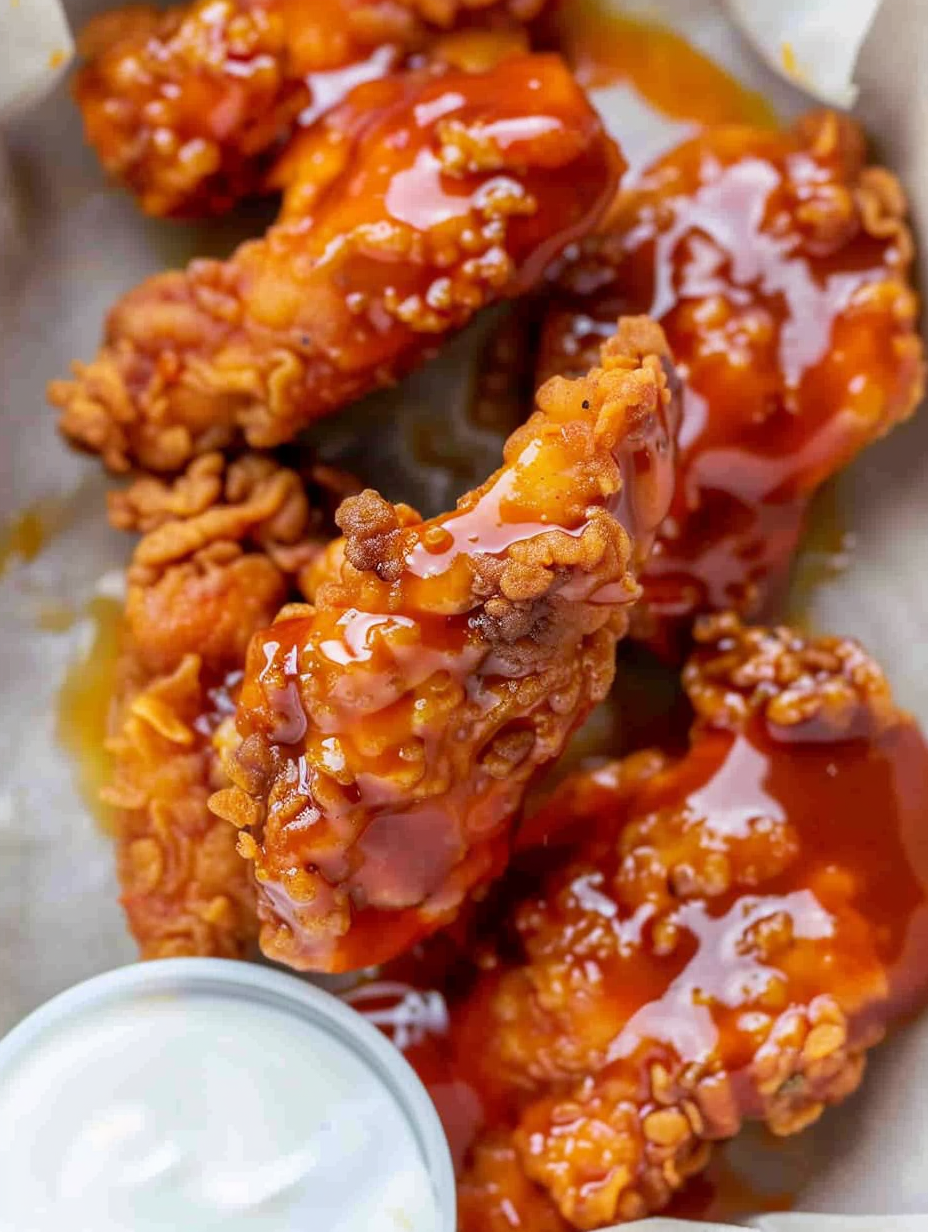
Serve these with crisp celery and carrot sticks, blue cheese or ranch dressing for dipping, and a wedge of lemon for brightness. For a full meal, pair with seasoned fries, coleslaw, or a simple green salad. They’re also excellent sliced over a crisp iceberg wedge or tucked into a warm tortilla with shredded lettuce and ranch for a wrap. Garnish with chopped parsley or thinly sliced scallions for color.
Cultural Background
Buffalo sauce has its roots in Buffalo, New York, originating in the 1960s as a simple vinegar-based hot sauce and butter combination served with fried chicken wings. The style became an American classic, and its portability has led to countless adaptations — from tacos to cauliflower bites. These tenders are an homage to that tradition, merging the Buffalo sauce’s tangy heat with a Southern-style buttermilk soak and deep-fried technique for classic American comfort food.
Seasonal Adaptations
In colder months, add warming spices to the flour like 1/4 teaspoon smoked paprika or a touch of cayenne for extra depth. For summer cookouts, make a lighter sauce by reducing butter by a quarter and adding a splash more vinegar for brightness; serve with cold slaw and grilled corn. For holiday gatherings, consider a honey-buffalo glaze (add 1–2 tablespoons honey to the sauce) to balance heat with sweet and make it a friendlier option for varied palates.
Meal Prep Tips
For batch cooking, bread all tenders and arrange them on baking sheets separated with parchment, cover tightly, and refrigerate for up to 24 hours before frying. Fry just before serving. Alternatively, fully fry and cool on racks, then freeze in a single layer before transferring to bags — reheat straight from frozen in a hot oven. Prepare the sauce ahead and rewarm gently; if it separates, whisk over low heat to re-emulsify.
If you try these tenders, I hope they become a staple as they have in my home. There’s something joyful about handing someone a hot, crispy tender with a smear of sauce on their lip — it’s simple food that creates big smiles. Share them with friends, test different spice levels, and make this technique your own.
Pro Tips
Pat tenders dry briefly before the first flour dredge to reduce splatter and encourage adhesion.
Use a wire rack rather than paper towels to drain fried tenders so steam doesn’t soften the crust.
Maintain 350°F oil temperature for consistent color and interior doneness.
This nourishing extra crispy buffalo chicken tenders recipe is sure to be a staple in your kitchen. Enjoy every moist, high protein slice — it is perfect for breakfast or as a wholesome snack any time.
FAQs about Recipes
How do I prevent greasy tenders?
Keep oil at 350°F and fry in small batches so the temperature remains stable. Use a thermometer for accuracy.
Can I freeze the tenders after breading?
Yes. Bread and egg the tenders, then freeze on a sheet and transfer to a bag. Fry from frozen, adding a few extra minutes to the cook time.
Tags
Extra Crispy Buffalo Chicken Tenders
This Extra Crispy Buffalo Chicken Tenders recipe makes perfectly juicy, tender, and flavorful steak every time! Serve with potatoes and a side salad for an unforgettable dinner in under 30 minutes.
Ingredients
Chicken & Marinade
Breading
Buffalo Wing Sauce
Instructions
Slice and soak
Cut breasts into four strips each. Place in a bowl with buttermilk and hot sauce. Cover and chill for 30 minutes to tenderize and flavor the meat.
Prepare dredging station
Whisk eggs in one bowl. In another, combine flour, salt, pepper, paprika, garlic powder, and baking powder. Arrange for easy flow from soak to flour to egg to flour.
Double-dredge the tenders
Dredge each tender first in flour, then egg, then flour again. Shake off excess and arrange on a rimmed baking sheet. This doubles the crust thickness for superior crispness.
Heat oil to 350°F
Fill a Dutch oven with about 3 inches of canola oil and bring to 350°F. Use a thermometer to monitor temperature and maintain it while frying in batches.
Fry until golden and cooked
Fry tenders in small batches for 5–7 minutes, turning once. Remove when golden and internal temperature reads 165°F. Drain on a wire rack.
Make buffalo sauce and toss
Gently heat Frank's, butter, vinegar, and Worcestershire in a saucepan, whisking until smooth. Toss hot tenders briefly in the sauce and serve immediately.
Last Step: Please leave a rating and comment letting us know how you liked this recipe! This helps our business to thrive and continue providing free, high-quality recipes for you.
Nutrition
Did You Make This?
Leave a comment & rating below or tag
@royalrecipe on social media!
Categories:
You might also like...
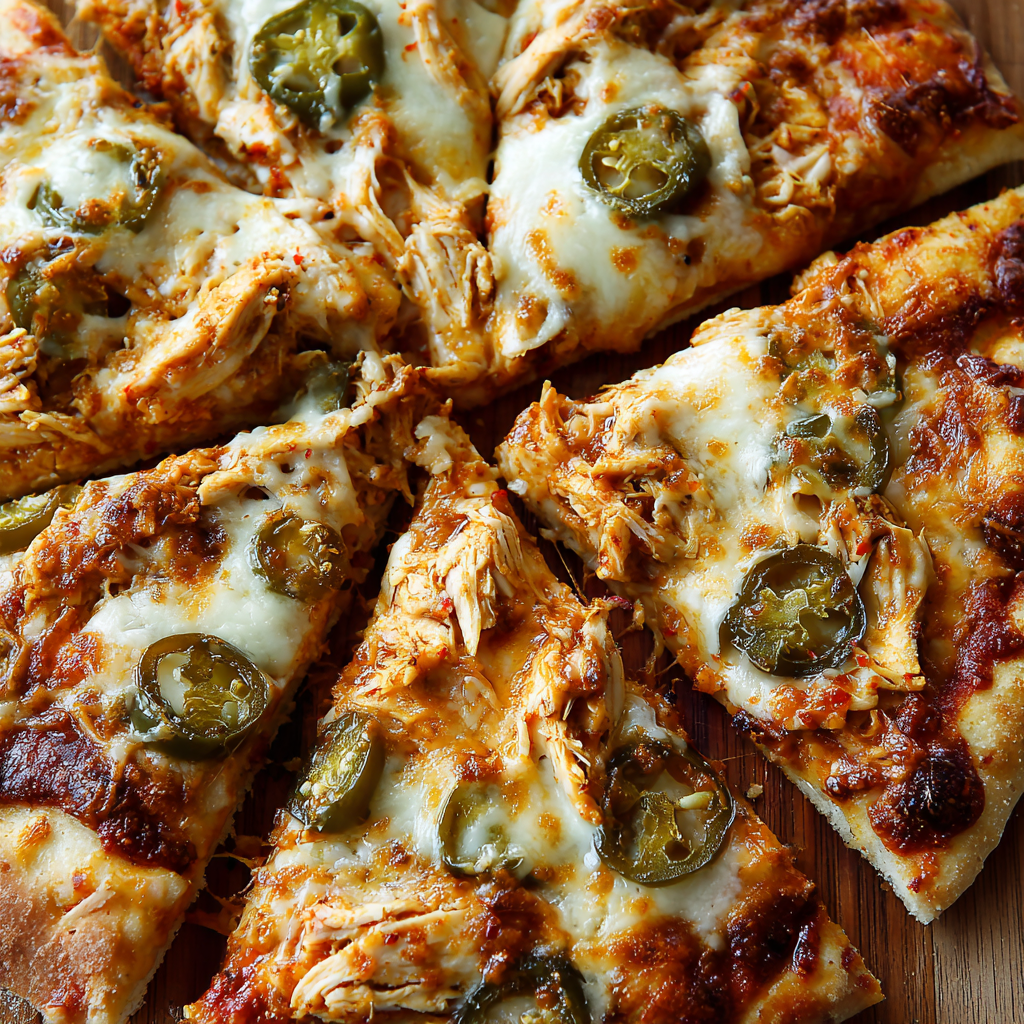
Spicy Chicken and Jalapeño Thin Crust Pizza
Easy homemade thin-crust three-cheese spicy chicken and jalapeño pie — a flavor-packed pizza with a satisfying kick, perfect for pizza night or game day.
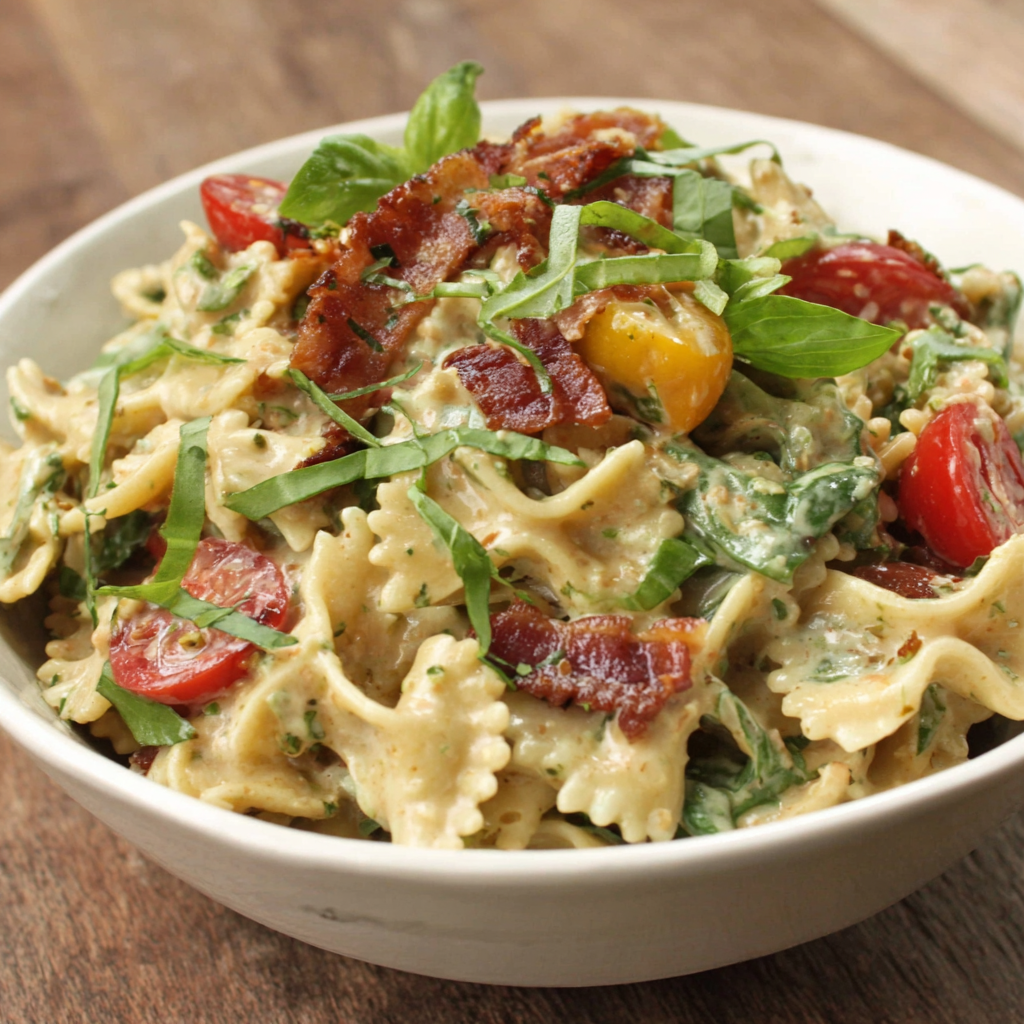
Creamy Pesto BLT Pasta Salad
A bright, creamy BLT pasta salad tossed with basil pesto, fresh greens, cherry tomatoes, and crisp bacon—perfect for warm-weather gatherings and meal prep.
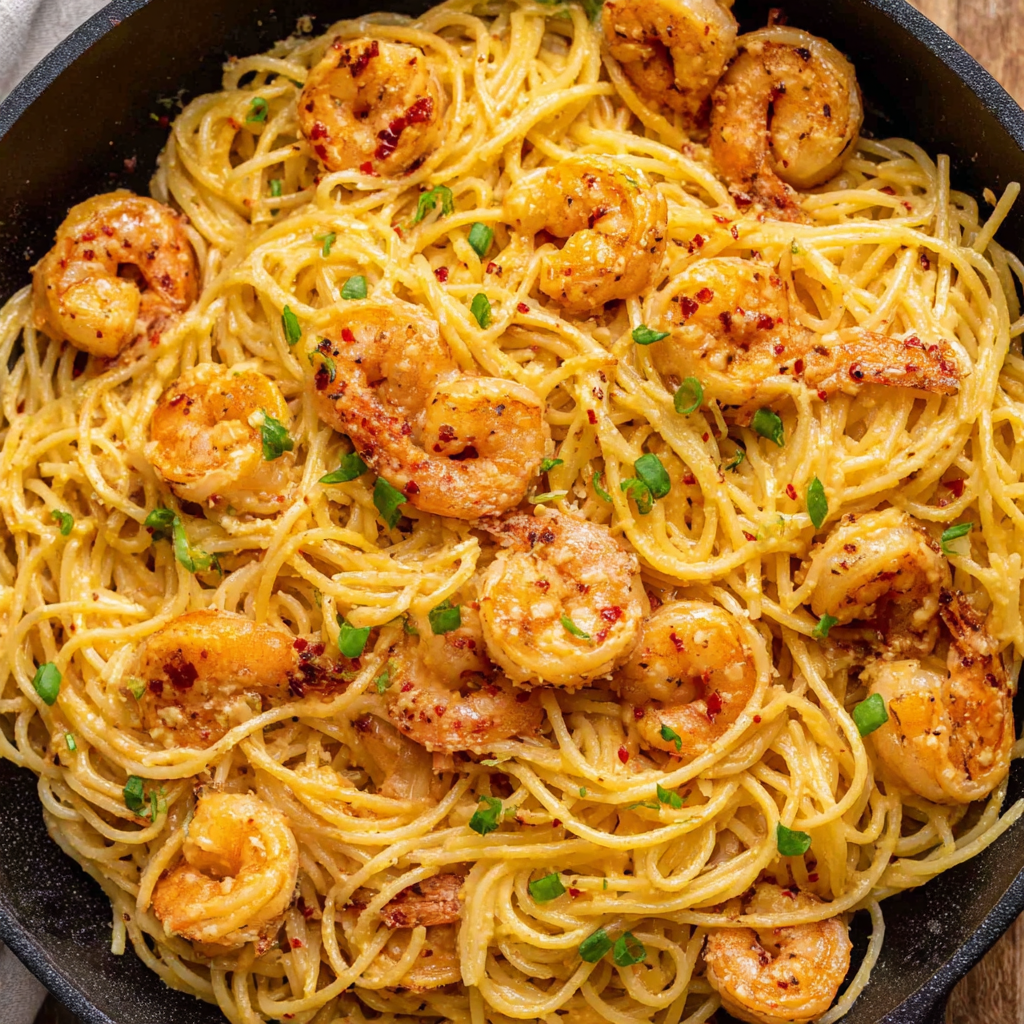
Bang Bang Shrimp Pasta
Tender sautéed shrimp tossed with spaghetti and a creamy sweet-spicy bang bang sauce—ready in under 30 minutes for a weeknight favorite.
Did You Make This?
Leave a comment & rating below or tag @royalrecipe on social media!
Rate This Recipe
Share This Recipe
Enjoyed this recipe? Share it with friends and family, and don't forget to leave a review!
Comments (1)
This recipe looks amazing! Can't wait to try it.
Comments are stored locally in your browser. Server comments are displayed alongside your local comments.
Hi, I'm Amara!
What's Popular
30-Minute Meals!
Join to receive our email series which contains a round-up of some of our quick and easy family favorite recipes.